
The same conversation happens roughly every week in writing groups across the internet. An author finishes their book, someone helpfully suggests they “build a social media presence,” and the author looks at their screen with the expression of a person who has just been told they need to learn to juggle while riding a unicycle. Before their book launch. By Tuesday.
Here is the thing though: social media is one road to readers, not the only road. Authors have been selling books since long before anyone had a profile picture, and there are genuinely brilliant ways to get your work in front of the right people that have nothing to do with trending audio or the perfect grid aesthetic.
The authors who build the most durable careers are usually the ones who invest in genuine relationships.
Why book marketing without social media actually works
Social media rewards volume and frequency. Books reward depth and meaning. The two are not always natural bedfellows. Many readers, particularly the ones who consume books voraciously, spend far more time in bookshops, libraries, reading groups and literary events than they do on platforms designed to sell them trainers, lip stain, and meal kits.
Offline book marketing puts you directly into the spaces where readers already are. And unlike a post that vanishes from feeds within hours, a well-placed review, a long-form interview or a bookshop relationship can keep working for you for years.
Start with your local bookshops
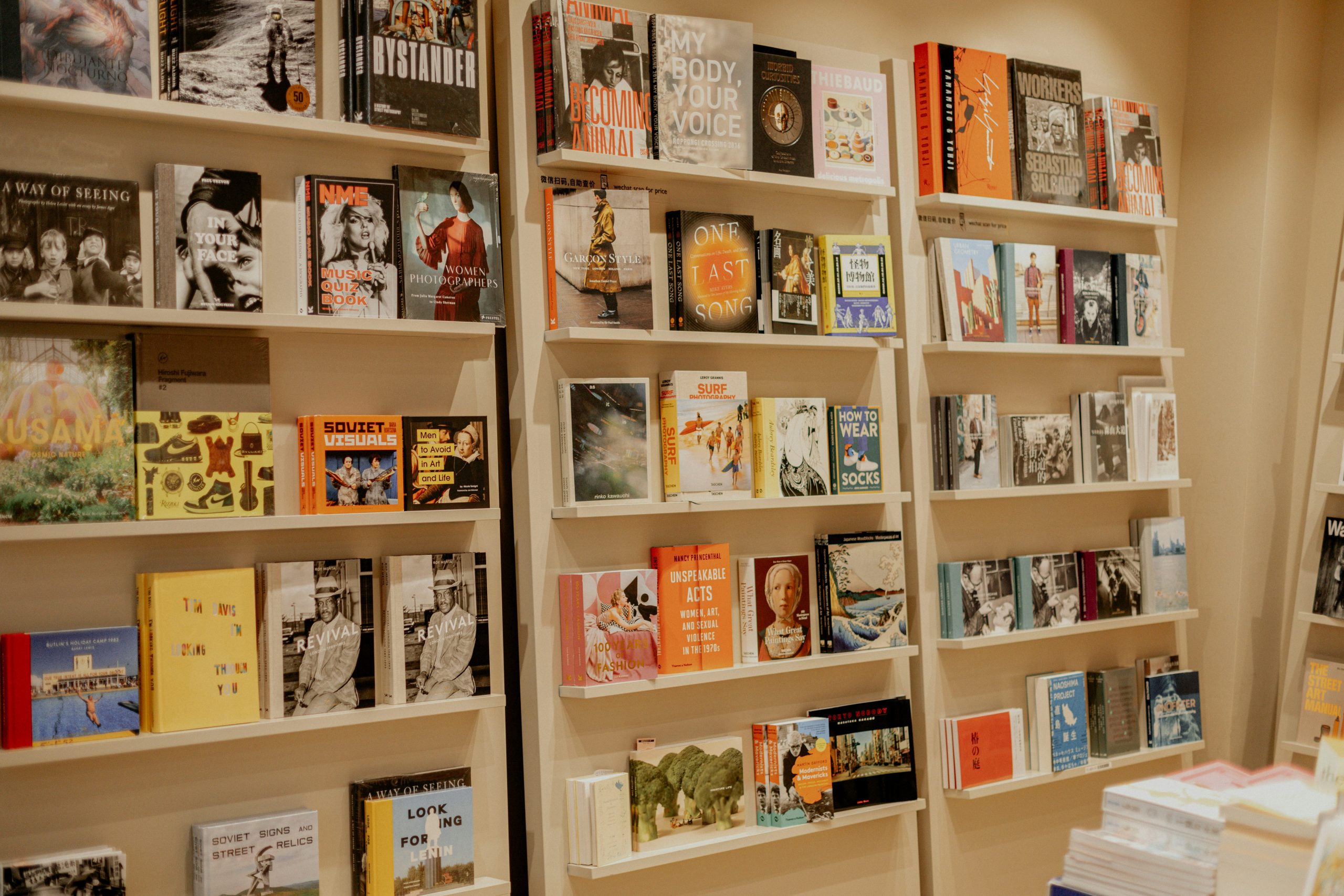
Independent bookshops are one of the most underused tools in author marketing. Booksellers talk to customers all day, every day, and while many won’t be able to stock your book, they still approach books with a passion no algorithm can replicate. Introduce yourself. Offer to do a reading or host an event. Ask if they do have local author shelves. Bring biscuits. Booksellers are human beings and they remember authors who treat them like it.

Real life recommendations, either for your book or for you as a writer, are still worth more than a hundred social posts that reach people who never walk into a bookshop in their lives.
Get serious about book reviews and media coverage
Book publicity through traditional media remains enormously powerful for reaching general readers. A mention in a national newspaper books section, a regional magazine feature or even a local radio slot or podcast interview can shift real copies. Editors and producers are always looking for angles, so think about what makes your book timely, surprising or connected to something people are already talking about.
Pitching takes practice and a thick skin, but the fundamentals are simple enough: know who you are pitching, explain why your book matters to their audience right now, and keep your email short. Book reviewers and journalists receive a staggering amount of post every week. Brevity is a form of respect.
Advance review copies sent to book bloggers and BookTok creators who work outside social media’s main commercial ecosystems can also generate sustained, genuine word-of-mouth that outlives any trend cycle.
Build an email list and actually use it
An email list is probably the most valuable asset an author can build for long-term book promotion. Unlike a social following, you own it outright. Nobody can change an algorithm and make your readers disappear overnight.
Start collecting email addresses now, before your book comes out if possible. A simple website with a sign-up form and something worth subscribing for, perhaps early chapters, writing updates or recommendations from you as a reader, gives people a reason to hand over their address. Then write to those people as if they matter, because they do. An engaged list of a few hundred readers who genuinely love your work will do more for your book launch than ten thousand passive followers.

Speak to readers in person
Author events and literary festivals remain a wonderful route into reader communities. Libraries are chronically underrated here as well. Librarians are readers, recommenders and community builders all at once, and a good relationship with your local library service can lead to events, displays, reading group visits and word-of-mouth recommendations that ripple outward in very satisfying ways, very similar to building relationships with local booksellers.
Reading groups are another goldmine. If your book suits a reading group format, getting onto lists, whether through publishers, libraries or directly, can drive steady sales over a long period as different groups work through the recommendations. Some authors even offer to join group discussions by video call, which costs nothing and tends to generate the kind of genuine enthusiasm that translates into reviews, recommendations and gift purchases.
Think about partnerships and communities
What is your book actually about? The answer to that question should point you toward communities of people who would care about it, many of whom will have their own newsletters, podcasts, events and gathering spaces.
A memoir about grief might find a ready audience through bereavement charities and counselling services. A historical novel set in a particular region could be marketed brilliantly through local history societies and heritage organisations. A cookbook might connect with food writers, farmers’ markets and culinary schools. These partnerships allow you to reach concentrated groups of genuinely relevant readers rather than scattering your energy across a general audience and hoping some of it sticks.
The publishing long game
Book marketing without social media tends to be slower, quieter and more sustainable than the spike-and-crash cycle of viral moments. The authors who build the most durable careers are usually the ones who invest in genuine relationships with booksellers, librarians, readers, journalists and fellow writers. All things you can do online, but these relationships compound over time in ways that platform follower counts simply do not.
None of this requires you to become a marketing professional or spend money you do not have. Most of it requires only curiosity, some courage and a genuine belief that the right readers are out there waiting to find your book.
They are. Go and meet them somewhere other than the internet.